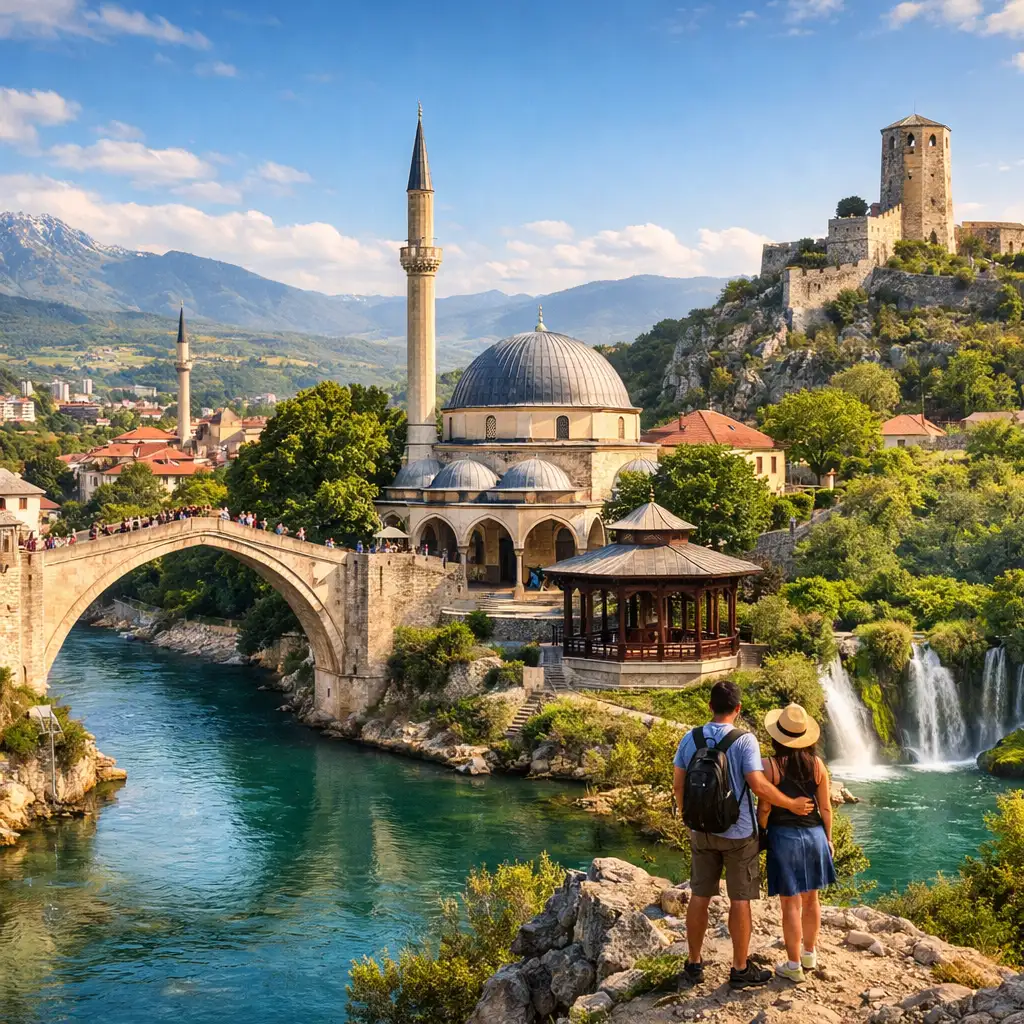
Exploring the Rich Culture and History of Bosnia
Bosnia, a country nestled in the heart of the Balkan Peninsula, boasts a rich tapestry of history, culture, and natural beauty. With its stunning landscapes, diverse heritage, and warm hospitality, Bosnia has become an increasingly attractive destination for travelers seeking both adventure and insight into a unique way of life. This article delves into the various aspects that define Bosnia today, from its historical roots to its modern-day culture.
Historical Background
The history of Bosnia is complex and multifaceted, shaped by various empires and influences over the centuries. Initially part of the Roman Empire, Bosnia later fell under Byzantine and Ottoman rule. The Ottoman Empire significantly impacted the region’s culture, architecture, and religion, introducing Islam and establishing a rich legacy that can still be seen today.
Following the decline of the Ottoman Empire, Bosnia was annexed by Austria-Hungary in the late 19th century. This period brought significant changes to the social and economic fabric of the country. The early 20th century saw Bosnia become part of Yugoslavia, which further complicated its national identity. The breakup of Yugoslavia in the 1990s led to a devastating war, resulting in deep-seated ethnic tensions and a complex political landscape that continues to influence Bosnia today.
Cultural Heritage
Bosnia’s cultural heritage is a rich blend of Eastern and Western influences, reflecting its diverse history. The country is home to numerous historical sites, including the iconic Stari Most (Old Bridge) in Mostar, a UNESCO World Heritage Site that symbolizes the resilience and unity of the Bosnian people. The bridge, originally built in the 16th century, was destroyed during the war but has since been reconstructed, serving as a powerful emblem of reconciliation.
Another significant cultural landmark is the Gazi Husrev-beg Mosque in Sarajevo, which is one of the finest examples of Ottoman architecture in the region. The mosque’s intricate designs and historical significance attract both locals and tourists alike.
In addition to its architectural treasures, Bosnia is known for its rich tradition of music, dance, and art. Folk music, often characterized by the use of traditional instruments such as the gusle and accordion, plays a vital role in the cultural identity of the Bosnian people. Festivals celebrating folk culture, such as the Sarajevo Winter Festival, showcase the country’s artistic talent and promote cultural exchange.
Natural Landscapes
Beyond its cultural richness, Bosnia is blessed with breathtaking natural landscapes. The country is dotted with mountains, rivers, and lush forests, making it a paradise for nature lovers and outdoor enthusiasts. The Dinaric Alps, which stretch across the country, offer numerous opportunities for hiking, skiing, and adventure sports.
One of the most stunning natural attractions is the Una National Park, known for its crystal-clear rivers, cascading waterfalls, and diverse wildlife. The park provides a haven for those seeking tranquility and a chance to connect with nature. Activities such as rafting on the Una River are popular among visitors seeking an adrenaline rush amidst stunning scenery.
Additionally, the Sutjeska National Park, home to the country’s highest peak, Maglić, is another must-visit destination. The park features pristine landscapes, deep canyons, and ancient forests, offering countless trails for hiking and exploring.
Cuisine
Bosnian cuisine is a reflection of the country’s diverse cultural influences, offering a delightful array of flavors and dishes. Traditional Bosnian food is hearty and often features fresh, locally sourced ingredients. One of the most iconic dishes is čevapi, small grilled minced meat sausages typically served with somun (a type of flatbread) and onions. This dish is a staple of Bosnian cuisine and is enjoyed by locals and visitors alike.
Another beloved delicacy is sarma, cabbage rolls stuffed with minced meat and rice, cooked in a savory tomato sauce. Bosnians also take pride in their coffee culture, with turska kafa (Turkish coffee) being a popular beverage. The preparation and serving of coffee is often a social ritual, bringing people together to enjoy conversations and companionship.
For those with a sweet tooth, Bosnian desserts such as baklava and tufahija (a sweet stuffed apple) offer a taste of the region’s culinary heritage. These treats are often made for special occasions and reflect the country’s Ottoman influences.
Modern Bosnia
Today, Bosnia is a country in transition, navigating the challenges of post-war recovery while striving for a cohesive national identity. The political landscape remains complex, with various ethnic groups working towards coexistence amidst historical grievances. Efforts for reconciliation and unity are evident in ongoing cultural initiatives and community-building projects.
Tourism has become a vital sector of the economy, with Bosnia attracting visitors drawn to its historical sites, natural beauty, and rich culture. Cities like Sarajevo, Mostar, and Banja Luka are becoming increasingly popular, offering a blend of historical exploration and modern amenities.
Moreover, the youth of Bosnia are playing a crucial role in shaping the future of the country. With a growing interest in arts, entrepreneurship, and technology, they are redefining what it means to be Bosnian in a global context. Social media and digital platforms are helping to connect young Bosnians with their peers around the world, fostering a sense of community and shared identity.
Conclusion
In conclusion, Bosnia is a country rich in history, culture, and natural beauty. Its complex past has shaped a vibrant present, where tradition and modernity coexist. As Bosnia continues to navigate its path toward a peaceful and prosperous future, it remains a fascinating destination for those seeking to explore the depths of its heritage and the warmth of its people. Whether you are drawn by the allure of its landscapes, the richness of its cuisine, or the warmth of its cultural traditions, Bosnia offers an unforgettable experience that resonates with every visitor.
Leave a Reply