The Allure of Velvet Cake: A Culinary Classic
Velvet cake is a rich, moist dessert that has captured the hearts of many dessert lovers around the world. Known for its distinctive texture and vibrant color, this cake is not only a visual delight but also a treat for the taste buds. In this article, we will delve into the history of velvet cake, explore its various types, discuss key ingredients, and provide tips for baking the perfect velvet cake.
The History of Velvet Cake
The origins of velvet cake can be traced back to the late 19th century in North America, although its exact beginnings remain somewhat of a mystery. The cake’s name is believed to stem from its smooth, velvety texture, which was initially achieved by using finely milled cake flour. This flour gave the cake a soft and tender crumb, setting it apart from other cakes of the time.
One of the earliest known recipes for velvet cake appeared in a cookbook published in 1929. The cake gained popularity during the Great Depression, as people sought comfort in rich foods amidst economic hardship. Over the years, velvet cake has evolved into various forms, with red velvet cake becoming one of the most popular variations.
Types of Velvet Cake
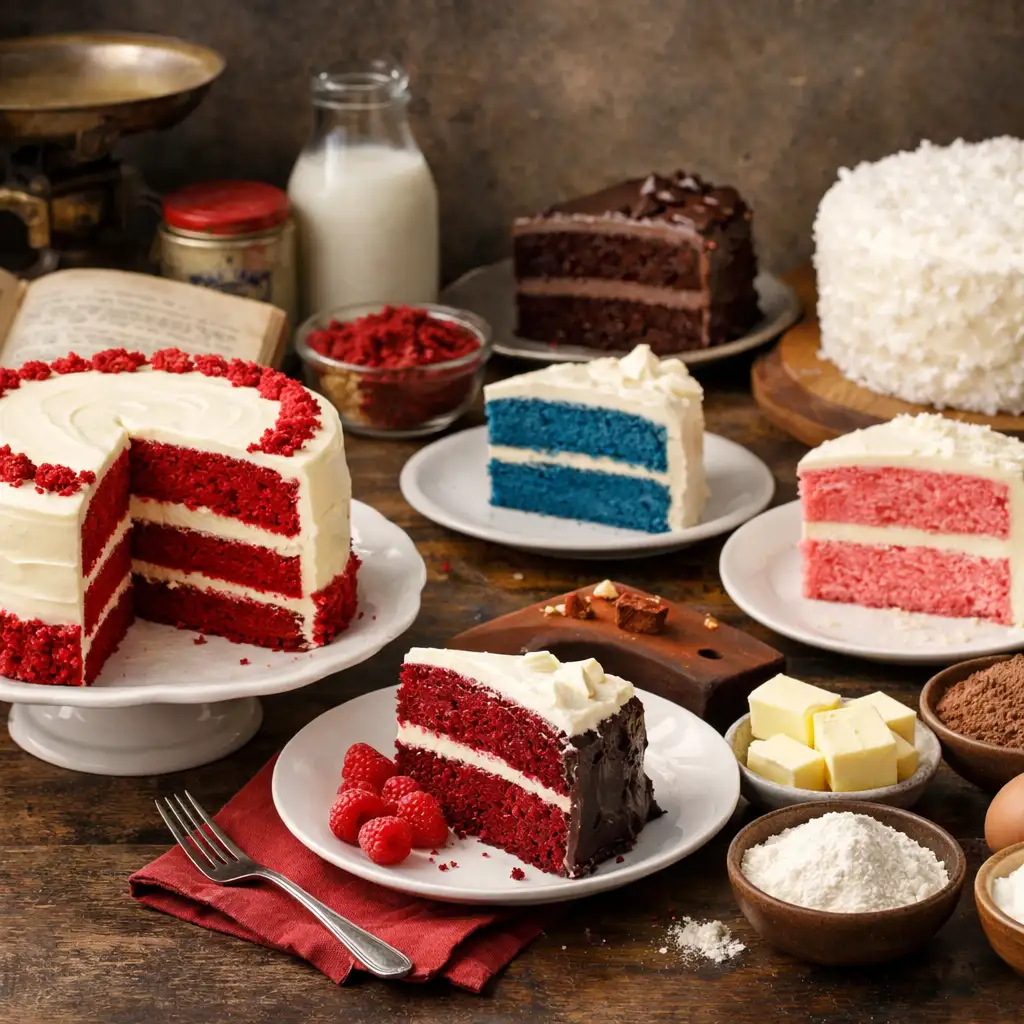
While the classic velvet cake is often associated with its red counterpart, there are several variations that have emerged over the years. Some notable types include:
- Red Velvet Cake: Perhaps the most famous variation, red velvet cake is characterized by its deep red color, which is traditionally achieved using cocoa powder and red food coloring. It is often paired with cream cheese frosting, creating a delicious contrast of flavors.
- Black Velvet Cake: This variation is made by adding dark cocoa powder to the batter, resulting in a rich, dark chocolate flavor. It is often enjoyed with a dark chocolate ganache or a similar frosting.
- Chocolate Velvet Cake: Chocolate lovers will appreciate this variation, which incorporates cocoa powder into the batter for a rich chocolate taste, often complemented by a chocolate or vanilla frosting.
- White Velvet Cake: This lighter version omits cocoa powder, focusing instead on the delicate flavor of vanilla. It is a versatile cake that pairs well with various frostings and fillings.
Key Ingredients
The key to a successful velvet cake lies in its ingredients. While the specific components may vary depending on the type of velvet cake being made, some essential ingredients include:
- Cake Flour: This finely milled flour helps create a tender texture, making it a staple in velvet cake recipes.
- Granulated Sugar: Sugar not only sweetens the cake but also contributes to its moisture and texture.
- Cocoa Powder: Used in variations like red and black velvet cakes, cocoa powder adds flavor and color.
- Buttermilk: This ingredient adds moisture and acidity, helping to create a tender crumb.
- Vegetable Oil: Many velvet cake recipes use oil instead of butter for a lighter texture and better moisture retention.
- Eggs: Eggs provide structure and stability to the cake, helping it rise during baking.
- Baking Soda and Vinegar: These ingredients work together to create a chemical reaction that helps the cake rise and achieve its signature texture.
The Baking Process
Baking a velvet cake involves a few simple steps that can yield delicious results. Here’s a basic outline of the process:
- Preparation: Preheat your oven to the desired temperature (usually around 350°F or 175°C). Grease and flour your cake pans to prevent sticking.
- Mixing the Batter: In a mixing bowl, combine the dry ingredients (cake flour, cocoa powder, baking soda, and salt) and set aside. In another bowl, mix the wet ingredients (oil, sugar, eggs, and buttermilk) until well combined. Gradually add the dry ingredients to the wet mixture, mixing until just combined.
- Coloring: For red velvet cake, add red food coloring to the batter and mix until you achieve the desired hue.
- Baking: Divide the batter evenly between the prepared cake pans and bake for the recommended time, usually around 25 to 30 minutes, or until a toothpick inserted in the center comes out clean.
- Cooling: Once baked, let the cakes cool in the pans for about 10 minutes before transferring them to a wire rack to cool completely.
Frosting Options
The right frosting can elevate a velvet cake to new heights. Some popular frosting options include:
- Cream Cheese Frosting: A classic pairing for red velvet cake, cream cheese frosting adds a tangy sweetness that complements the cake’s flavor perfectly.
- Buttercream Frosting: This versatile frosting can be flavored in various ways, making it a great choice for chocolate or white velvet cakes.
- Ganache: A rich chocolate ganache can add an indulgent touch to black velvet cake, enhancing its chocolatey flavor.
- Whipped Cream: For a lighter option, whipped cream can provide a fluffy topping that works well with white velvet cake.
Tips for Perfecting Velvet Cake
To ensure your velvet cake turns out perfectly every time, consider the following tips:
- Measure Ingredients Accurately: Use a kitchen scale for precise measurements, especially for flour, to achieve the right texture.
- Room Temperature Ingredients: Allow eggs and buttermilk to come to room temperature before mixing to help create a smoother batter.
- Avoid Overmixing: Mix the batter until just combined to prevent a dense cake.
- Check for Doneness: Use a toothpick to test for doneness, and remember that cakes continue to cook slightly after being removed from the oven.
Serving and Storing Velvet Cake
Velvet cake can be enjoyed on its own or dressed up for special occasions. Here are some serving and storage tips:
- Serving: Slice the cake into even pieces and serve with a dollop of whipped cream or a scoop of ice cream for an extra treat.
- Storing: Store leftover cake in an airtight container at room temperature for up to three days. For longer storage, refrigerate or freeze the cake, ensuring it is well-wrapped to prevent drying out.
Conclusion
Velvet cake remains a beloved dessert for its unique texture and versatility. Whether you prefer the classic red velvet version or one of its many variations, this cake is sure to impress at any gathering. With its rich history and delightful flavor, velvet cake continues to be a staple in the world of baking, inviting everyone to indulge in its velvety charm.
Leave a Reply