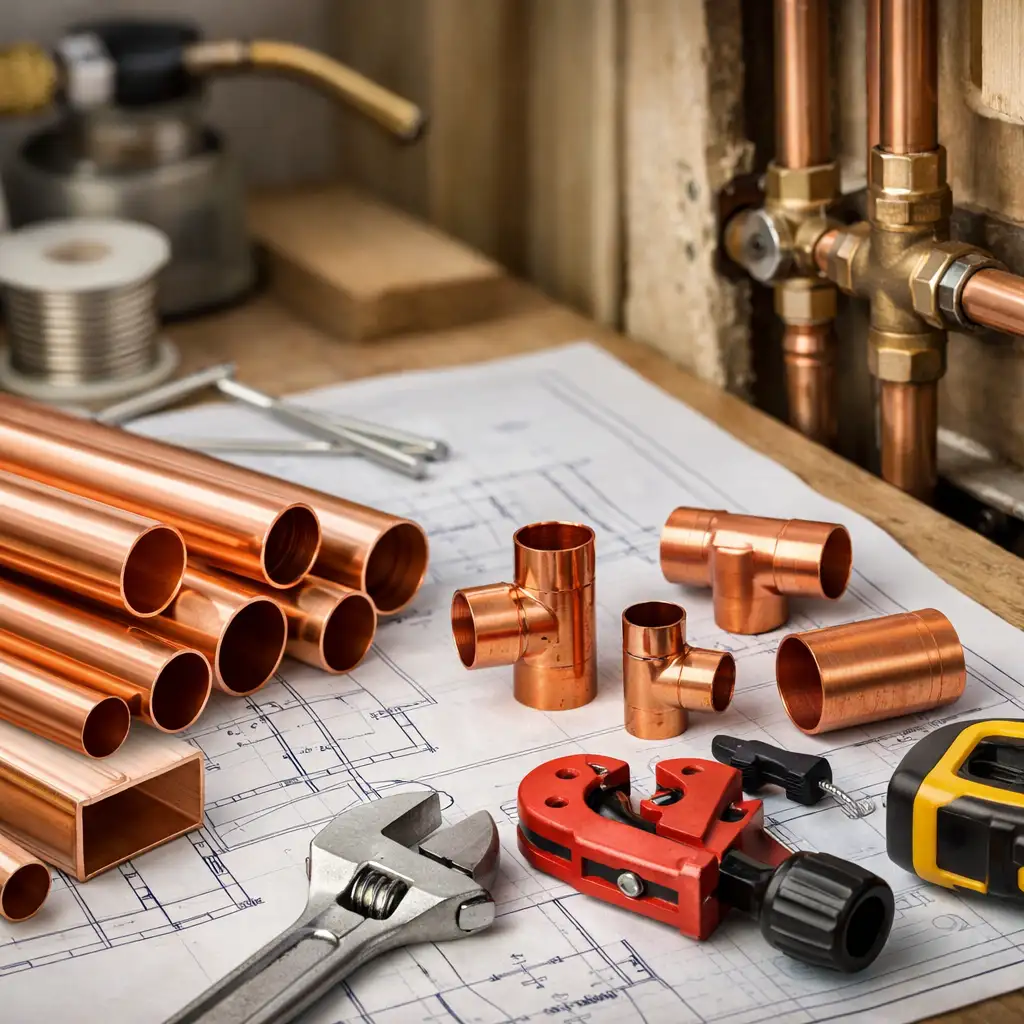
The Comprehensive Guide to Copper Pipe: Benefits, Uses, and Installation
Introduction
Copper pipe has been a staple in plumbing and HVAC systems for decades. Its durability, resistance to corrosion, and thermal conductivity make it an ideal choice for various applications. This article will explore the benefits of copper pipe, the different types available, common uses, installation tips, and maintenance practices.
What is Copper Pipe?
Copper pipe is a type of piping made from copper, a malleable and ductile metal. It is widely used in plumbing and heating applications due to its excellent thermal and electrical conductivity. The two primary types of copper pipe are rigid and flexible, with rigid copper pipe being used more frequently in plumbing installations.
Benefits of Using Copper Pipe
There are several advantages to using copper pipe in various applications:
- Durability: Copper is a robust material that can withstand high temperatures and pressures, making it a long-lasting choice for plumbing.
- Corrosion Resistance: Unlike many other metals, copper does not rust. It naturally forms a protective patina that prevents corrosion, extending its lifespan.
- Antimicrobial Properties: Copper has natural antimicrobial properties, making it an ideal choice for drinking water systems as it helps to inhibit the growth of bacteria.
- Recyclability: Copper is 100% recyclable without losing its properties, making it an environmentally friendly option.
- Thermal Conductivity: Copper’s excellent thermal conductivity makes it ideal for hot water systems and HVAC applications.
Types of Copper Pipe
Copper pipe comes in various types, each suited for specific applications:
- Type K: This type has the thickest walls and is primarily used for underground installations such as water mains.
- Type L: With thicker walls than Type M, Type L is commonly used in residential plumbing and heating systems.
- Type M: This type has thinner walls and is used for light-duty applications, often found in residential water systems.
- Type DWV: This type is designed for drain, waste, and vent systems. Its wall thickness is similar to Type M but is not suitable for pressurized applications.
Common Uses of Copper Pipe
Copper pipe is versatile and used in various applications, including:
- Plumbing: Copper pipe is widely used in residential and commercial plumbing systems for supplying hot and cold water.
- HVAC Systems: Due to its thermal conductivity, copper pipe is commonly used in heating and cooling systems.
- Gas Lines: Copper pipe is also used for natural gas applications, providing a safe and reliable option for gas distribution.
- Refrigeration: In refrigeration systems, copper pipe is used to transport refrigerants due to its durability and resistance to corrosion.
Installation Tips for Copper Pipe
Installing copper pipe requires careful planning and execution. Here are some essential tips:
- Plan Your Layout: Before installation, plan the layout of the piping system. Consider the path of least resistance and avoid unnecessary turns and bends.
- Use the Right Fittings: Ensure you use compatible fittings, such as elbows and tees, designed for copper pipe to avoid leaks.
- Cutting Copper Pipe: Use a pipe cutter for a clean and straight cut. Avoid using hacksaws, which can create burrs and lead to leaks.
- Soldering Techniques: When soldering joints, clean the ends of the pipe and fittings thoroughly and apply flux before heating the joint. Allow the joint to cool naturally.
- Insulation: Insulate copper pipes in unconditioned spaces to prevent condensation and protect against freezing in colder climates.
Maintenance and Care
Maintaining copper pipe is essential to ensure its longevity and performance. Here are some maintenance tips:
- Regular Inspections: Periodically inspect exposed copper pipes for signs of corrosion or leaks. Address any issues promptly to avoid extensive damage.
- Water Quality: Monitor water quality; high levels of certain minerals can lead to corrosion. Consider water treatment options if necessary.
- Cleaning: Clean copper pipes periodically to remove any buildup or tarnish. Use a mixture of vinegar and salt for effective cleaning.
Conclusion
Copper pipe remains a popular choice for plumbing, HVAC, and gas applications due to its durability, corrosion resistance, and antimicrobial properties. Understanding the different types of copper pipe, their benefits, and installation practices can help you make informed decisions for your projects. By following proper maintenance techniques, you can ensure the longevity and reliability of your copper piping systems.
Leave a Reply